
Keeping up with home maintenance takes work, but outdoor power equipment has totally changed the game. Anyone who has ever raked a yard, edged a lawn, or shoveled snow by hand knows just how much sweat can go into keeping your place looking good. That’s where battery operated gear steps in. Today’s machines are powerful, surprisingly quiet, and much easier to manage than oldschool gas powered equipment. In this guide, I’m breaking down everything homeowners should know before switching to battery operated outdoor tools and giving some real talk on what’s worth your investment.
Why Battery Operated Power Equipment Is Worth Considering
Outdoor power tools have come a long way, especially since lithium ion battery systems became strong enough to rival their gas powered cousins. That’s a pretty big deal for home maintenance because it means no more hauling gas cans, pulling starter cords until your arm aches, or ending up with a half mowed lawn when the carburetor gets sticky. Modern battery gear delivers power, but it trades the fumes and noise for cleaner, easier operation.
People switch for all kinds of reasons: some want less noise for the sake of their neighbors, others want to skip maintenance headaches, and a few just can’t stand the smell of two stroke gas anymore. No matter your reason, battery powered options can make regular chores way more manageable and eco friendly. Actually, the eco friendly aspect is a big deal—no more fumes clouding up your yard or getting into your house through open windows. Battery tools also mean you’re far less likely to disturb early risers or late sleepers on your block since they’re so much quieter.
Popular Types of Battery Outdoor Equipment for Homeowners
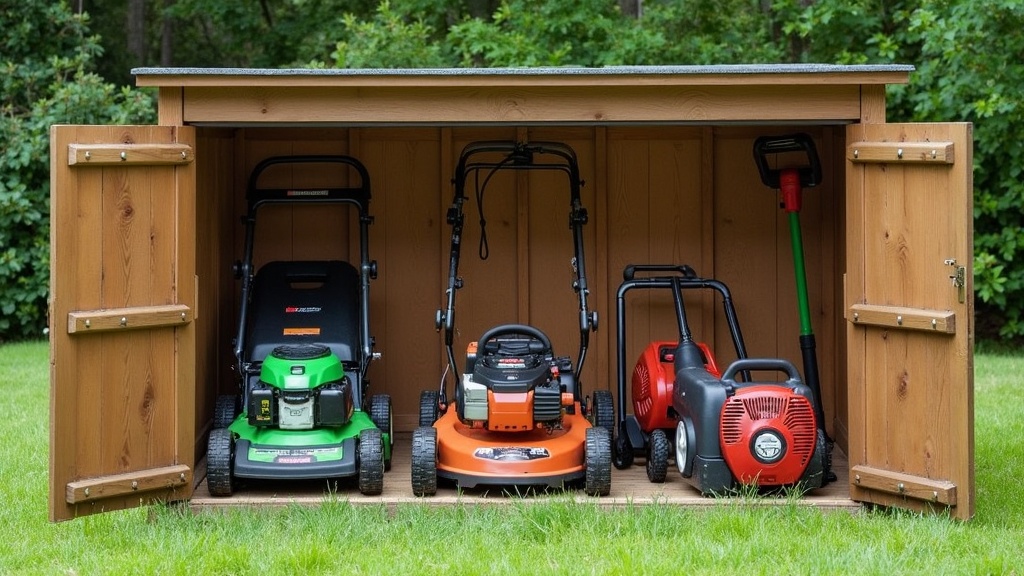
Most backyards need at least a lawn mower and a trimmer, but there’s a lot more out there for a full home care arsenal. Here’s what I keep on my radar (and in my own shed) for smooth, efficient upkeep:
- Lawn Mowers: Cordless electric mowers have improved in cutting power, run time, and handling. They suit small to medium sized yards really well. Some even fold up for easy storage and have mulching features so you can leave the grass clippings to improve your lawn’s health.
- String Trimmers (Weed Eaters): Handy for cleaning up fence lines, garden beds, and walkways where mowers can’t go. Battery models are much lighter and easier to handle than gas types. Some models even convert from trimmer to edger in seconds, so you get more value from one tool.
- Leaf Blowers: Swapping a rake or broom for a cordless blower makes fall cleanup (or quick porch tidying) a five minute job. The best models now have variable speed triggers and turbo fan settings, which give you more control for both light sweeping and heavy leaf pile moving.
- Chainsaws: Even if you’re not a lumberjack, a lightweight electric chainsaw works for storm cleanup, trimming branches, and DIY firewood. Safety features like chain brakes and tool free adjustment make these saws user friendly and perfect for the average homeowner.
- Snow Blowers: Up north? Battery snow blowers have become a big help for sidewalks and small driveways, with no need to mix fuel or deal with carburetors in the cold. Their push button starting shines when it’s freezing outside and your hands are cold.
- Hedge Trimmers: Cordless versions let you move freely and tidy hedges with less vibration and less hand fatigue. The lighter design also helps with shaping taller hedges without having to move a cord.
If you’re looking to step up your gardening, you can also find battery tillers, sprayers, and even wheelbarrows these days. As battery tech spreads like wildfire, homeowners have more choices than ever for every backyard task.
Brand Showdown: Battery vs Gas Outdoor Equipment
Almost every major brand has jumped into cordless outdoor tools. Here’s a closer look at some of the most popular brands, plus a few pros and cons of going battery powered compared to gas.
Top Brands in Battery Outdoor Equipment
- EGO Power+ – These tools have some of the longest battery lives and good power output, especially on the bigger 56V platform. Their lawn mowers, string trimmers, and blowers feel solid and their rapid chargers are pretty quick. Downsides? They tend to cost more up front, and extra batteries aren’t cheap. EGO Power+
- Greenworks – A great pick for budget shoppers or folks with small yards. They focus on 40V, 60V, and 80V lines, so there’s flexibility depending on yard size. Multiple tools can use the same battery series, which is handy. Sometimes the build can feel lighter, so check reviews on specific models. Greenworks
- RYOBI – Sold mainly through Home Depot, RYOBI’s battery platform is huge. They offer a ton of options—mowers, trimmers, blowers, chainsaws—and batteries are swappable between lots of different tools. Their gear tends to be DIY focused rather than pro grade, but that’s often plenty for homeowners. RYOBI
- DEWALT – Lots of pros already have DEWALT batteries for their power tools, so adding yard gear makes sense for some households. They’re sturdy, run longer than most, but often cost a bit more. DEWALT
- STIHL & Husqvarna – These makers are famous for their gas gear but have solid battery versions too, including chainsaws and blowers. Their pro level tools cost more and their batteries usually aren’t compatible with non yard tools. STIHL Battery Products
Battery Powered vs Gas: Pros & Cons
- Noise: Cordless gear is way quieter, which makes early morning mowing or late night leaf blowing much less likely to annoy neighbors.
- Maintenance: No oil, no gas mixing, no spark plugs. Just charge and go. Some people miss tinkering, but most don’t.
- Emissions: Zero emissions at the point of use. That’s better for air quality, your health, and the planet. If you want to keep things green, battery equipment is the way to go.
- Startup: Button or trigger start means there’s no yanking cords. Easier for anyone to use.
- Power: Top end battery mowers and chainsaws are now strong enough for most yard jobs, but heavy duty, allday work is still easier with gas. Battery operated snow blowers can slow down in deep, wet snow, while gas models handle tough winter jobs better.
- Run Time: Rechargeable batteries usually last 30 minutes to an hour on bigger tools like mowers or snow blowers. For big yards, having a second battery is smart, but gas tanks refill fast if you’re in a rush.
If you want to get a sense of which set up might be best for you, think about your yard size, how often you use your gear, and if you value quiet and low maintenance over maximum run time.
What Should Beginners Look For?
Homeowners who are newer to battery tools should check out these basics before buying:
- Battery Voltage and Amp Hours: Higher numbers mean more power and run time. 40V and above are good for mowers and blowers, while 18V or 20V covers hedge trimmers and smaller tools.
- Interchangeable Batteries: Stick to one brand/platform when possible. One set of batteries for a mower, trimmer, and blower means less clutter and easier charging.
- Cutting Deck Size (For Lawn Mowers): The wider the deck, the fewer passes you need to mow, speeding things up. Think about how much storage space you have, too, since some decks fold up or collapse for tight storage setups.
- Weight and Balance: Most battery equipment is lighter than gas gear, but try it if you can, especially for overhead work like hedge trimming. Some brands offer telescoping handles or adjustable grips, which can make a big difference in comfort.
I always check reviews for run time, ease of battery swaps, and handling, especially from people with similar yard sizes and types. Real world feedback is super useful for figuring out if a tool holds up and if it really fits your needs.
Common Issues With Battery Outdoor Gear and How to Deal With Them
- Run Time Anxiety: The fear of batteries running out mid job is real, especially if you have a lot of ground to cover. Spare batteries can be pricey, but they’re worth having for larger yards. Some brands sell bundles with two batteries and a fast charger, which makes the cost sting less. If you want to keep things moving without interruption, store batteries near your work area and charge them up after each use.
- Weather Impact: Cold weather slows battery performance, and most lithium ion tools shouldn’t be stored outside in winter. I keep my batteries stored indoors when the temps drop. Likewise, heat can degrade batteries, so avoid leaving them in hot cars or direct sunlight.
- Initial Cost: Upfront, battery powered systems can cost more if you need new batteries and chargers. Over time though, you skip gas, oil, spark plugs, and tune ups, which balances things out. Many owners find that regular maintenance costs drop a ton once they switch over.
- Repair & Parts: Warranty, service, and parts availability matter. Brands with lots of retail support or online parts stores are easier to deal with if something goes wrong. It’s a good idea to keep track of your tool’s serial numbers and register them for warranty as soon as you buy.
Quick Tips for Getting the Most Out of Battery Tools
- Charge your batteries right after use, and don’t leave them plugged in for days at a time. Unplugging when they’re full will help prolong battery life.
- Clean off clippings, mud, or dust after each use to keep everything running smooth. This prevents buildup from affecting blades and the battery housing.
- Rotate between batteries if you have more than one so they wear evenly and keep peak performance for longer.
- Store batteries somewhere cool and dry when not in use; never in direct sun or freezing sheds. Bringing them inside during winter keeps them safer and ready to go.
FAQs About Battery Outdoor Power Equipment
Is the power really enough for heavy jobs?
Most battery mowers and blowers can easily cover typical suburban yards, but folks with giant properties or super thick lawns might need an extra charge or a heavy duty model. It’s smart to double-check power ratings and look up reviews from other users with similarly sized yards.
How long do the batteries actually last?
A good quality battery will usually last two to five years, depending on how often you use and recharge it. Swappable batteries extend usable tool life and can often be replaced separately when they start losing charge.
Can I use the same battery for multiple tools?
You can if you’re using tools from the same voltage/family and brand. That’s a great way to save time, space, and money over time without the need to invest in lots of chargers and extra accessories.
Are battery mowers safe for wet grass?
Just like with plugin electrics, always use care around moisture. Most battery mowers are sealed pretty well, but it’s best to mow when things are mostly dry for safety and good battery performance.
Are battery powered tools OK for people with limited mobility?
Absolutely. They’re lighter and easier to handle than comparable gas tools. Easy push button starts also mean no wrestling with stubborn pull cords, which can be a lifesaver if you have arm or wrist issues.
Picking the Best Outdoor Gear for Your Home
Making the jump to battery powered equipment can save you hours each season and deliver a better outdoor experience for you and your neighbors. I started with a lightweight leaf blower for porch cleanup and have worked my way up to a full set that covers every regular home maintenance task. Brands like EGO Power+, Greenworks, and RYOBI are worth checking out, but there are solid options from competitors too. Matching your tool platform to your real needs, yard size, and budget will help you land the setup that works best for you. This makes those outdoor chores way more manageable and lets you reclaim more of your weekends for relaxing, not just yard work.