
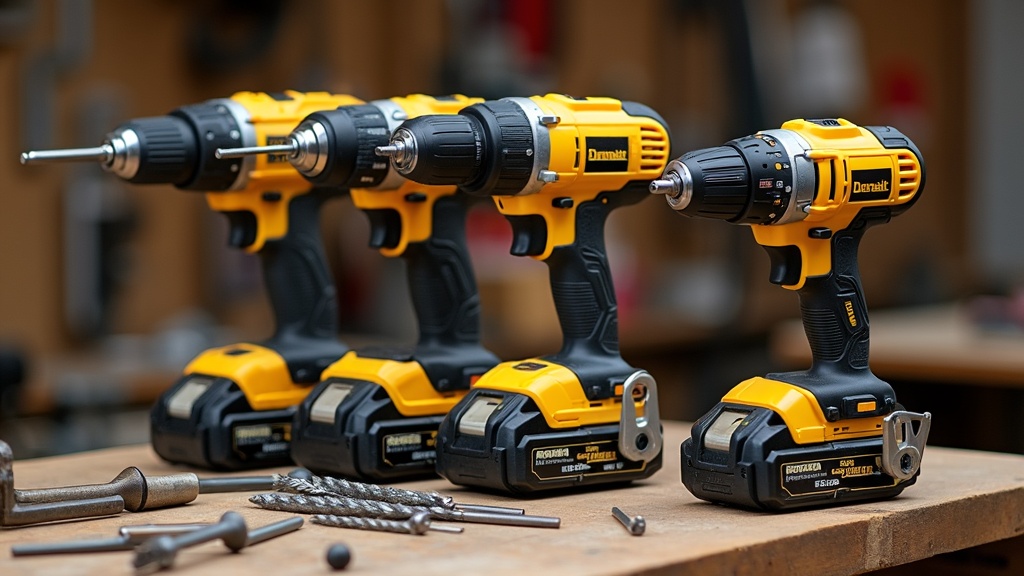
Cordless drills are truly a game changer for anyone handling projects around the house, in a workshop, or on the job site. Owning one means you’re equipped for just about any drilling or screwdriving job—even where there isn’t a power outlet nearby. Picking the right drill can seem overwhelming with so many types, sizes, and extra bells and whistles on the market. So, let’s check out cordless drills, how they stand next to other tools like impact drivers and hammer drills, and what details you should watch for when making your choice.
What Is a Cordless Drill Really Good For?
Cordless drills are super handy for making holes and driving screws wherever you need them, no cord required. Running on rechargeable batteries, they’re mobile and ready to work anywhere—from fixing a fence in the backyard to sprucing up your living room. Whether you’re hanging shelves or piecing together furniture, these tools offer flexibility and reliable power. Their battery-powered design makes them a popular pick with DIYers and tradespeople alike, due to the sheer convenience and consistent performance.
The cordless drill’s appeal goes even higher when you factor in how much lighter and more powerful today’s models have become. Lithium ion batteries are the standard now, offering longer runtime and faster charging compared to the old nickel cadmium types. Many brands now make batteries you can use across a whole lineup of tools, adding to the versatility.
Cordless Drill Sizes and Types Explained
Cordless drills come in several sizes that affect both power and comfort in the hand. The size mostly refers to the chuck size—or the part that grips your drill bit. Here’s a quick breakdown:
- 3/8-inch drills: These are the most common, perfect for light to medium jobs like assembling furniture, drilling in wood, or fastening drywall screws. Most homeowners will find this size more than enough for daily needs.
- 1/2-inch drills: They pack a bigger punch and feature larger chucks, making them great for heavier drilling tasks, like going through thick timber or metal, and driving larger screws.
- Compact drill drivers: Designed for light and speedy projects, these small and lightweight models are all about comfort and control, perfect for simple home tasks.
For most folks working at home or doing occasional DIY, a 3/8-inch drill usually does the trick. If you’re frequently dealing with larger hardware or tougher materials, a 1/2-inch drill might be a better fit to handle the extra muscle needed.
Impact Drivers vs Hammer Drills vs Cordless Drills: What’s the Difference?
When it comes to power tools, these three often get mixed up. Here’s how I sort them out:
- Cordless Drills: The everyday tool for drilling and screwdriving in wood, plastic, or metal. They come with adjustable clutch settings and speeds, offering control and versatility. They’re not really built for tackling masonry though.
- Impact Drivers: More compact and lighter, impact drivers use a rattling motion to crank out more torque, making them perfect for driving long screws and bolts—especially in dense materials. However, they’re focused on fasteners, not drilling holes.
- Hammer Drills: Hammer drills have a setting that adds a pounding action to the spinning, ideal for getting through masonry like brick or concrete. They’re larger, but invaluable for jobs where regular drills just can’t keep up.
If you’re mostly building furniture, mounting shelves, or handling around-the-house repairs, a cordless drill will manage almost every job. Impact drivers come in handy if you’re dealing with tons of screws or heavy-duty projects like deck building. For occasional work with brick or concrete, a hammer drill is what you want in your toolbox.
How to Choose the Right Cordless Drill
Picking the right drill is sort of like finding the right pair of running shoes—it needs to fit your needs and be comfortable for long stretches of work. Here’s what I keep in mind when picking a cordless drill:
- Voltage: You’ll most often see 12V, 18V, and 20V models out there. Higher voltage drills provide more power for heavier tasks, but they also get heavier to handle. Twelve volt is best for basic tasks; 18V and 20V are built for larger projects.
- Battery: Go for lithium ion batteries—they’re lighter, charge quickly, and last longer. Many modern tool brands let you use one battery across a whole family of tools, giving you an even bigger bang for your buck.
- Speed and Clutch Settings: Variable speed triggers allow you to match the drill’s pace with the job, while multiple clutch settings help protect screws and materials from overdriving.
- Weight and Grip: If possible, hold the drill before buying to see if it feels balanced and comfy. Good grip and balance help, especially on long tasks.
- Extras: Built-in lights, belt clips, and snappy carrying cases aren’t essential, but they definitely make your life easier.
Getting Started With a Cordless Drill: Handy Tips for Beginners
Unboxing a new drill is exciting, but a few tips can make sure you start off right. Here are some steps that help me get rolling every time:
- Charge the battery fully: Full power gives you a better first experience and helps avoid interruptions during your first project.
- Test the speed and clutch: Spend a few moments to adjust these settings and get comfortable with how the drill feels and responds.
- Choose the right bit: Match your bit to the task—wood bits, masonry bits, and metal bits each have their place.
- Set the clutch and speed: For screws, dial the clutch lower; for drilling, raise it and pick a higher speed if needed.
- Practice first: Trying out your new drill in some scrap wood helps you build confidence before working on your real project.
These steps make using your drill easier, safer, and extend its lifespan. Plus, practicing is always helpful before you jump into an important task.
Common Cordless Drill Challenges and How I Deal With Them
No tool is perfect. Here are challenges that pop up and my fixes for them:
- Short battery life: Keep a spare battery handy for big jobs. Fast chargers come in handy if you need to get back to work quickly.
- Stripped screws or drilling too much: Lower your clutch setting to avoid stripping screws—especially when working in softer materials.
- Chuck or bit issues: Always make sure your bit is seated properly and the chuck is tightened. Most drills today come with keyless chucks, making swapping bits quick and smooth.
- Not enough torque: If your drill can’t keep up with dense materials or heavy screws, a bigger voltage drill or switching to an impact driver can save you time and frustration.
Keeping Your Cordless Drill in Good Shape
With basic care, your drill can serve you for years. I stick to a few habits to keep mine running at its best:
- Keep batteries topped up and store them in a cool, dry place, away from extreme temps.
- Clear out dust and bits from chuck and vents; this helps with motor cooling and keeps things running smoothly.
- Switch out dull bits as needed—sharp bits protect your drill’s motor and give better results.
Where Cordless Drills, Impact Drivers, and Hammer Drills Each Shine
Picking the right tool for each job saves work, time, and frustration. Here’s when I choose each one:
- Cordless drill: Assembling flat pack furniture, hanging curtain rods, making pilot holes in wood, and mounting shelves to drywall.
- Impact driver: Installing lots of long screws into tough wood, building decks, fence assembly, or auto repairs where bolts get tough.
- Hammer drill: Hanging frames or fixtures in masonry, running wires through concrete, or any holes in stone and brick that need extra muscle.
In some cases, projects overlap, so it’s not rare to see both a drill and a driver on pro sites, speeding up repetitive tasks or tough jobs. They each bring something different to the table.
Frequently Asked Questions
Question: Can a cordless drill replace an impact driver for home DIY?
Answer: For the average project, yes. Drills work for most household screws. But if you’re doing a big build, like a deck, or lots of repetitive jobs with tough screws, an impact driver is worth adding for extra power and to ease hand fatigue.
Question: How do I know what size drill to buy?
Answer: For most people and general home repairs, 3/8-inch drills are just right. If heavy-duty jobs or big bolts are your norm, bumping up to a 1/2-inch drill is smart.
Question: Do I need a hammer drill for brick or concrete?
Answer: Absolutely. Cordless drills aren’t built for tough masonry. Hammer drills add the hammering action needed to punch through brick and concrete.
Wrapping Up: My Take on Picking the Right Cordless Drill
Paying attention to size, power, and features ensures you end up with a cordless drill that feels right and works the way you need. This makes your projects quicker, smoother, and much less frustrating. As your projects get bigger or more specialized, impact drivers and hammer drills can really give your toolkit a boost.
No matter if your goal is drilling holes, driving all kinds of screws, or even tackling heavier masonry jobs, the right cordless drill setup makes almost anything possible—and can seriously take your DIY skills up a notch.