
Automotive repair can seem intimidating when you’re first getting started, but it doesn’t stay that way for long if you have the right tools and a bit of practical knowledge. Fixing up your car at home saves money, builds independence, and can be surprisingly satisfying. If you’re new to working on cars or just want to check that your garage is set up right, I’ll walk you through the basic equipment, straightforward tips, and reliable brands that will help get you rolling seamlessly.
Must-Have Equipment for Beginner Auto Repair
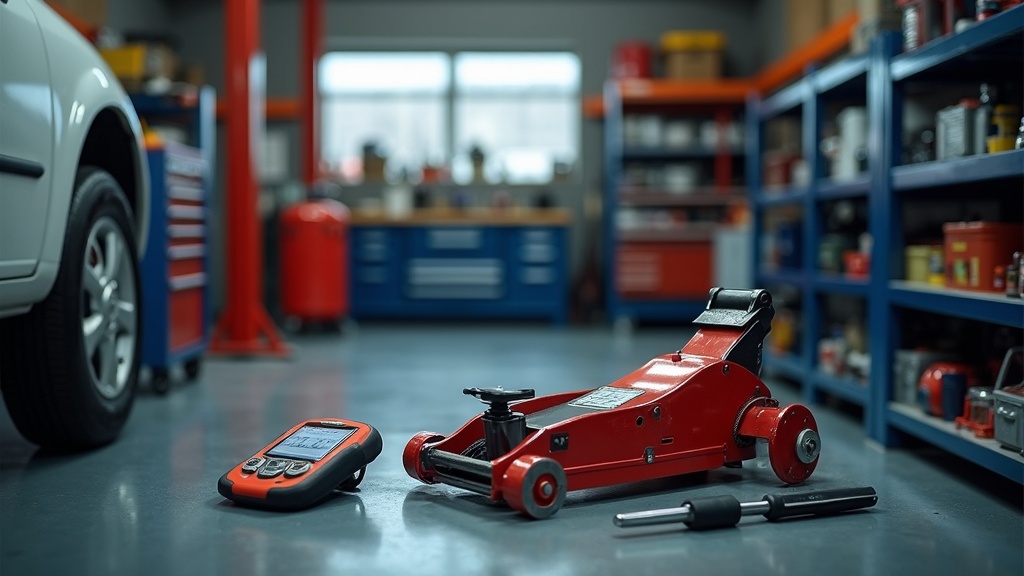
The foundation of any good automotive repair setup starts with some basic gear. Getting a balanced mix of hand tools, a solid jack and jack stands, and an entry-level diagnostic scanner covers almost all routine jobs and small repairs. Quality tools last for years, so it’s smart to invest in brands known for being tough. Some names I trust include Craftsman, GearWrench, Kobalt, DeWalt, and Tekton.
Here are some categories of gear you should have nearby:
- Hand tool sets: Wrenches, sockets, screwdrivers, and pliers cover many basic needs. A mechanics set from Craftsman or Husky provides most essentials for home repairs.
- Mechanic sets: These larger kits have a wide range of sockets, ratchets, even specialty screwdrivers and Allen wrenches, and make it easy to keep things organized.
- Jacks and jack stands: Safely lifting your vehicle is crucial. Brands like Arcan, Torin, or Harbor Freight have dependable hydraulic floor jacks and tough jack stands.
- Diagnostic tools: A code reader or OBD-II scanner from Autel or Innova helps you figure out what triggered your check engine light and can save time at the mechanic.
- Air compressors: For inflating tires or using pneumatic tools, a portable air compressor from California Air Tools or PorterCable is a great investment for new DIY mechanics.
Getting Started with Home Car Repairs
Jumping from never opening your hood to changing your own oil isn’t as big a step as it sounds. Choosing smart starting points can make a huge difference and boost your confidence for tougher repairs later. Here are some tips I picked up early that made things way smoother:
- Read your car’s manual: The owner’s guide is packed with useful maintenance schedules and troubleshooting tips for your specific vehicle.
- Start with simple jobs: Changing wiper blades, checking tire pressure, swapping air filters, or doing oil changes gives you practice without major risk.
- Check out repair videos: YouTube channels like ChrisFix and EricTheCarGuy break down repairs step-by-step so even total beginners feel comfortable.
Using a checklist and understanding each step before starting helps reduce mistakes and lets you grow your skills job by job.
Key Gear and Why Each Matters
- Diagnostic scanners: Plug these into your car’s OBD-II port to get a code that tells you where to focus your troubleshooting. Even a basic scanner under $40 can save you more than that on diagnostics.
- Air compressors: They do more than inflate tires; they run impact wrenches and ratchets that speed up tire rotations or loosen stubborn bolts.
- Jacks and lifts: A quality floor jack and sturdy jack stands let you get under your car for oil changes, tire rotations, or other jobs safely. Portable lifts like QuickJack are pricier but super useful for frequent repairs.
- Hand tools and mechanic sets: Sockets and ratchets in both metric and standard sizes, combination wrenches, screwdrivers, locking pliers, and needle nose pliers form the backbone of most jobs. Chrome vanadium steel tools last longer and resist rust better than cheaper alternatives.
- Industrial tools: For tough jobs or seized parts, breaker bars, impact wrenches, and torque wrenches from Milwaukee, Makita, or Dewalt can make a stubborn job much easier and safer.
First Repairs to Try (That Don’t Require a Lift)
There are plenty of beginner-friendly repairs that you can do right in your driveway without complicated setups:
- Changing engine oil and filter: All you need is a drain pan, a wrench, and a fresh filter. Oil changes teach patience and prolong your engine’s life.
- Replacing air filters: Keeping a clean air filter helps your engine run more efficiently and is usually a tool-free fix.
- Swapping spark plugs: With a spark plug socket, an extension bar, and some patience, you’ll get better starts and better gas mileage.
- Battery swaps: Most cars require just a basic wrench, and a new battery can solve starting issues quickly.
- Brake pad replacement: With a jack, jack stands, and some wrenches, changing pads and rotors is a logical next step for those wanting to try hands-on jobs.
Finishing small repairs like these builds your collection of tools and your confidence for bigger, more complex work.
Things to Think About Before Building a Garage Workshop
Having a functional repair area boosts your confidence and helps you keep learning. Creating a safe, well-lit space is essential—even before gathering every cool gadget out there. Here are some pointers that make a workshop more enjoyable and practical:
- Proper lighting: LED shop lights are a must for seeing details, especially at night or in shadowy engine bays.
- Storage solutions: Tool chests from Husky or Craftsman and pegboards help keep your gear tidy and findable. Magnetic trays are a lifesaver for holding small parts mid-job.
- Flooring and cleanup: Garage mats or epoxy floors prevent slips and make cleaning up spills easier. I always keep kitty litter or oil absorbent close for quick cleanups.
- Safety gear: Gloves, safety goggles, and jack stands are non-negotiable items, protecting you during any job.
Common Challenges and How to Handle Them
- Stuck bolts: Penetrating oil, breaker bars, or an impact wrench can usually get things moving. If you’re working on an older car, clean the threads with a wire brush first.
- Tight spaces: Flexible socket extensions and slim ratchets are perfect for tight engine bays—something drivers of Subarus and Hondas can relate to.
- Misplaced parts: Magnetic trays are invaluable when handling lots of small bolts and nuts during repairs.
- Electrical gremlins: A solid multimeter is vital for testing batteries or tracking down wiring issues and shorts.
Helpful Tips for Better Results
Improving your skills relies on both the tools you use and your mindset. Here are some down-to-earth tips that help keep repairs smooth:
- Take photos along the way: Snap pictures with your phone to jog your memory about bolt patterns or cable routing.
- Label everything: Use zip bags and masking tape to track hardware and make reassembly a breeze.
- Use a torque wrench: Tighten bolts to the right specs (found in your manual) to avoid trouble later on.
- Have a backup ride: For bigger jobs, a second car or ride to the parts store can be a huge help.
Frequently Asked Questions
Plenty of new mechanics have questions about gear and repairs. Below are some common questions I hear, along with answers based on real-world experience:
Question: What’s a good starter set of tools for a new DIY mechanic?
Answer: Get a solid socket set (at least 3/8” drive), both metric and standard wrenches, pliers, screwdrivers, a sturdy floor jack, and safe jack stands. Craftsman is great for starter kits, and a code reader (like Autel or Innova) makes chasing warning lights much simpler.
Question: Are air compressors worth it for home mechanics?
Answer: Yes if you’ll do more than very basic maintenance. They inflate tires and power tools, and starting out with a six-gallon portable model saves space but covers most jobs.
Question: How do I choose between jack stands and a portable car lift?
Answer: Jack stands are reliable and affordable—great for most home mechanics. Portable lifts like QuickJack are a big convenience if you plan to work on your car frequently or take on bigger projects.
Tools and Equipment: Smart Brands and Upgrades Worth Considering
Over the years I’ve put all kinds of brands to the test. Here are favorites that hold up through all-in-one kits and upgrades:
- Tool Sets: Craftsman, GearWrench, and Kobalt offer solid value and durability for hand tools and mechanic kits you’ll use every day.
- Air Compressors: California Air Tools is quiet and reliable, while PorterCable’s compact models are easy for beginners to move and store.
- Jacks/Lifts: Arcan, Torin, and Sunex sell sturdy floor jacks and jack stands with safety features I trust.
- Diagnostics: Autel and Innova make budget-friendly scanners that are accurate enough for just about any home mechanic.
You don’t have to buy every tool up front; add what you need as you go, and sticking with reputable brands will save money in the long run.
Final Thoughts on Building Your Home Auto Repair Arsenal
Getting into automotive repairs at home is about leveling up your skills, starting with practical tools, and picking gear that matches your comfort zone. Build your confidence on small jobs, keep your equipment in good shape, and always prioritize safety. Down the road, you’ll be ready to tackle more complex fixes and can keep your ride in top shape, all without spending a fortune on pro repairs.